
Lawn
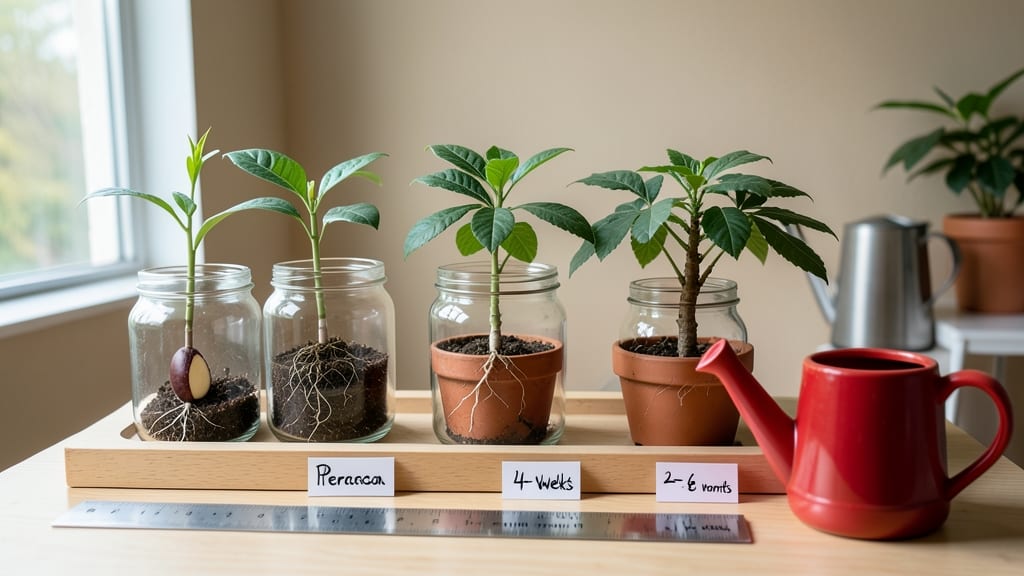
Watching an avocado seed sprout feels like magic—especially when you know it’ll grow into a towering tree in just 60 days. 🌱 The stages of avocado seed growth are surprisingly predictable, from the first crack in the pit to a sturdy seedling ready for transplanting.
I’ve tracked this process for years, and the transformation never fails to amaze me.
First comes germination, where the seed splits open and a tiny root emerges within 2-4 weeks. Then the shoot breaks through, and by day 30, you’ll see real leaves forming.
The key is keeping the pit moist, not soggy, and giving it bright, indirect light. Too much direct sun at this stage can scorch the delicate sprouts.
By day 60, your seedling could be 6-12 inches tall with a thick stem and multiple leaves. That’s when it’s ready to move into soil—though many gardeners keep it in water for months longer.
The real fun starts here: watching those first true leaves unfurl and the roots grow bold enough to anchor a future tree.
This method works for any avocado variety, though some grow faster than others. The beauty of starting from seed is seeing the entire life cycle unfold right in your kitchen or greenhouse. Here’s how to guide it through each stage without a hitch.
📚 In This Guide
- What you need
- Instructions
- Tips and common mistakes
- Wrapping up and next steps
What you need
- ● 1 fresh avocado pit – Choose a seed from a ripe, organic avocado (avoid store-bought ones treated to prevent sprouting).
- ● 3-4 toothpicks or small skewers – For balancing the seed during germination.
- ● 1 small glass or jar – Wide enough to submerge ⅓ of the seed (8–12 oz capacity).
- ● Water – Filtered or room-temperature tap water (change weekly).
- ● Well-draining potting mix – A blend of peat moss, perlite, and coconut coir (or a pre-mixed cactus/succulent soil).
- ● 4–6 inch nursery pot – With drainage holes (plastic or terracotta).
- ● Spray bottle – For gentle watering once roots establish.
- ● Grow lights or sunny windowsill – A south-facing window or LED grow light (12+ hours/day).
- ● Hydroponic net pot – For easier root monitoring during germination.
- ● Humidity dome or plastic wrap – To retain moisture while sprouting.
- ● pH testing kit – Ensures soil pH stays in the ideal range (6.0–7.0).
- ● Fertilizer (balanced 10-10-10 or seaweed extract) – Once leaves appear (dilute to half-strength).
- ● Support stake or trellis – For stability as the tree grows taller.
How to track avocado seed growth stages at home
Watch your kitchen scraps transform into a thriving 2-foot tree in just two months.
🌱 Step 1: Germinate the Seed and Spot the First Sprout
Start by placing three toothpicks around your avocado pit, just below the widest point, to suspend it over a glass of water. Keep the water level high enough to cover about 1 inch of the seed but not the top. Place the glass in a warm spot with bright, indirect light—a kitchen windowsill works perfectly.
Within 2-6 weeks, you'll see the first sign of life: a tiny white root emerging from the bottom. This is your signal to stop adjusting the toothpicks. Once the root reaches about 2 inches, a second sprout will appear at the top—this is the stem. The moment you see both root and stem, it's time to move to soil.
Here's the thing—don't rush this stage. If the water gets cloudy or smells funky, replace it immediately. You'll know germination is working when the root grows ½ inch per week and the stem starts to thicken slightly.
🌿 Step 2: Transplant to Soil and Watch for True Leaves
Fill a 4-inch pot with well-draining potting mix (avoid garden soil—it's too heavy). Make a small hole in the center and gently lower the seed in so the root sits just below the soil line, with the stem above. Press the soil lightly around the seed but don't compact it too much.
Place the pot in bright, indirect light (no direct sun yet—it'll scorch the delicate new growth). Water lightly until you see moisture seep through the drainage hole, then stop. Overwatering now will rot the tender root before it establishes.
Within 7-14 days, you'll notice two small leaves unfurl at the top—these are the first true leaves (not the initial seed leaves). This is when the plant starts photosynthesizing on its own. You'll see the stem thicken noticeably and the leaves develop a deeper green color.
☀️ Step 3: Introduce Sunlight and Encourage Foliage Growth
After the second set of true leaves appears, gradually introduce morning sunlight for 2-3 hours daily. Over the next 2 weeks, increase sun exposure to 4-6 hours per day, watching for the leaves to darken and the stem to grow sturdier.
This is the moment that matters: the plant will start producing third and fourth sets of leaves, creating a bushier appearance. You'll notice the leaves grow larger—each new pair should be 10-20% bigger than the last. If the leaves turn yellow or drop, you're giving it too much direct sun.
Water when the top inch of soil feels dry to the touch. Stick your finger in—if it's dry past your first knuckle, it's time to water. Use room-temperature water to avoid shocking the roots.
🪴 Step 4: Repot and Support the Rapid Growth Spurt
By 6 weeks, your avocado seedling will have 6-8 true leaves and a stem reaching 12-18 inches tall. It's time to repot into a 6-inch container with fresh potting mix. Gently remove it from the old pot, loosen the roots if they're circling, and place it in the new container at the same depth.
After repotting, place the seedling in bright, indirect light for a week to reduce stress. You'll see new growth within 5-7 days—look for fresh leaves emerging from the top and possibly even a few side shoots. This is when the tree starts developing its classic shape.
Here's what I do next: I add a small stake beside the plant and tie the stem loosely with twine to prevent it from toppling. Avocado seedlings grow top-heavy fast, and a little support now keeps it upright for years.
⏰ Step 5: Transition to Full Sun and Prepare for Year 2
By 8-10 weeks, your seedling will be ready for full sun exposure (6+ hours daily). Move it to a south-facing window or outdoors in a sheltered spot. You'll see the leaves develop a glossy, deep green appearance and the stem thicken significantly.
At this stage, the plant enters a slower growth phase but continues to develop its structure. Prune any leggy or weak stems to encourage bushier growth. You'll notice the leaves grow closer together, and the plant will start looking like a miniature tree.
Real talk: most homegrown avocado trees from seed won't produce fruit for 5-10 years, but that doesn't mean you're stuck with a slow grower. With proper care, your seedling will reach 6 feet tall in its first year indoors—just keep rotating the pot weekly so it grows straight and strong.
Tips & tricks for tracking avocado seed growth stages
These little-known details will help you nurture your seedling through each transformation stage without a hitch.
The Light Factor: During Step 1, place your avocado seed near a window where it gets bright but indirect light—like a kitchen window with sheer curtains. Direct sunlight at this stage can scorch the delicate emerging root. I've seen seeds fail when placed in harsh afternoon sun, so morning light works best. Once you see the root reach 2 inches and the stem appears, you're ready for the next phase.
Root Growth Secret: In Step 1, the ½ inch per week growth rate is your best indicator of success. If the root grows slower than this, check your water temperature—it should be room temperature, not cold. I've learned the hard way that cold water shocks the root and stunts growth. Also, if the water smells even slightly off, replace it immediately to prevent bacterial growth that can kill your seedling before it starts.
Transplant Timing: When moving your seedling to soil in Step 2, don't rush it! Wait until you see both the 2-inch root and the stem. The root helps anchor the plant, while the stem signals the seedling is ready to photosynthesize. I've seen people transplant too early, which causes the seedling to wilt because it can't support itself yet. Use your finger to gently press the soil around the seed—just enough to hold it in place without compacting.
Sunlight Transition: In Step 3, when you're increasing sunlight exposure, do it gradually. Start with just 2-3 hours of morning sun, then slowly extend to 4-6 hours over two weeks. Sudden exposure can cause sunburn on the leaves. Watch for the leaves to darken naturally—this is your sign they're adjusting well. If you notice yellowing or crispy edges, that's too much sun too soon. Rotate your plant weekly so it grows straight and doesn't lean toward the light.
Pro Tips for Stages Of Avocado Seed Growth
- These little-known details will help you nurture your seedling through each transformation stage without a hitch.
- The Light Factor: During Step 1, place your avocado seed near a window where it gets bright but indirect light—like a kitchen window with sheer curtains.
- Root Growth Secret: In Step 1, the ½ inch per week growth rate is your best indicator of success.
Frequently asked questions
Got questions about growing an avocado from seed?
You’re not alone! Whether you’re curious about timing, troubleshooting, or creative alternatives, we’ve got answers to help your seedling thrive.
How long does it take for an avocado seed to sprout?
Most avocado seeds sprout within 2–6 weeks when kept in warm, moist conditions. Patience is key—some stubborn seeds take longer, especially if the pit is dry or stored improperly. Keep the toothpick setup in indirect light and check for cracks or tiny green shoots weekly!
What are the signs my avocado seed isn’t growing?
If your seed stays dormant for over 6 weeks, smells foul, or develops mold, it may be dead. Other red flags: no root growth after 3+ weeks or a shriveled, dark pit. Try soaking the seed in warm water for 24 hours to revive it—or start fresh with a new pit!
Can I grow an avocado seed in water forever?
Nope! Once roots reach 4–6 inches, transfer the seed to well-draining soil to avoid rot. Leaving it in water long-term can weaken the seedling. Pro tip: Use a peat moss or coconut coir mix for the first planting—it mimics tropical humidity while preventing soggy roots.
What if my avocado seed grows but only has roots, no leaves?
Don’t panic! This is normal in the early root stage (Stage 1). Wait until you see a small green shoot (Stage 2) before moving it to soil. If roots are dense but no leaves appear after 8+ weeks, try increasing light exposure or gently loosening the soil around the base.
How tall can an avocado tree grow from a seed?
Seed-grown avocado trees can reach 20–30 feet tall with proper care, but they take 5–13 years to bear fruit! For faster results, graft a fruiting variety onto your seedling. If space is tight, prune regularly—but expect slower growth without sunlight and nutrients.
Wrapping up and next steps
Watching an avocado seed grow from a tiny sprout into a thriving tree is a rewarding journey that blends patience, care, and a little science. 🌱 Whether you’re growing it for fun, sustainability, or future shade, understanding each stage—from germination to root development—sets you up for success.
Now that you’re armed with the right tips, why not turn your kitchen experiment into a lush green corner of your home or garden?
Ready to take the next step? Plant your seed today and enjoy the magic of growth—one watering session at a time! 🌿