Lawn
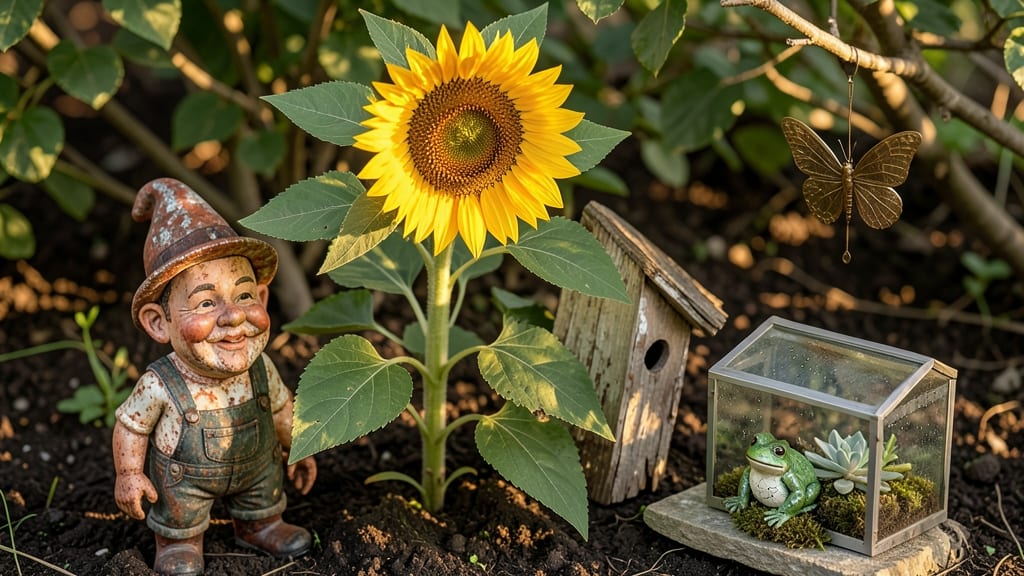
A sunflower seed identification chart starts with knowing your varieties—because the right choice means towering blooms or tiny container-friendly charmers. 🌻 I’ve grown everything from 12-foot giants to boutique-sized Teddy Bears, and the difference in seed selection makes all the difference.
Whether you’re saving seeds or picking plants, this chart helps you match varieties to your space and goals. Most gardeners overlook seed traits like leaf shape, stem thickness, or seed color—but these clues determine everything from harvest size to disease resistance.
Mammoth types need deep soil and space, while dwarf varieties thrive in pots or urban gardens. The chart breaks it down so you can spot the differences at a glance, even before germination.
By the end, you’ll confidently pick seeds that fit your yard (or balcony) and know exactly what to expect when those bright faces pop up. No more guessing whether your "giant" will stay small or your "dwarf" will stretch like a weed. Here’s how to use it for foolproof planning.
Start with height and habit: Tall varieties need staking or wind protection, while bush types spread naturally. Then check seed color and size—oil-type seeds are smaller and uniform, while ornamental seeds can be striped, spotted, or even black.
The chart includes these visual cues so you can compare seeds before planting, even if you’re buying from a catalog. For seed saving, note whether your variety is open-pollinated or hybrid—only the first will reliably reproduce true to type.
Store seeds in a cool, dry place, and label them with the variety name and year. A little prep now means fewer surprises next spring when you’re ready to plant again.
📚 In This Guide
- What you need
- Instructions
- Tips and common mistakes
- Wrapping up and next steps
What you need
- ● Ready to dive into sunflower seed identification? Here’s everything you’ll need to get started—whether you’re a gardener, farmer, or just curious about these cheerful blooms! 🌻
- ● Pro tip: 💡 If you’re working with wild or hybrid seeds, cross-reference with a sunflower seed identification chart for accuracy!
How to identify sunflower seed varieties using key traits
Recognizing sunflower varieties starts with understanding their unique characteristics—here’s how to tell them apart with confidence.
🌱 Step 1: Examine Seed Head Shape and Size
Sunflower seed heads vary dramatically in shape, and this is your first clue. Single-row varieties like 'Russian Mammoth' produce tall, slender heads with seeds arranged in a single spiral row, while multi-row types such as 'Autumn Beauty' have broad, rounded heads packed with seeds in multiple concentric circles. Measure the diameter at maturity—single-row heads typically reach 6-12 inches, while multi-row varieties can span 10-18 inches.
Pay attention to the disk floret color—the center of the head—since this often differs by variety. For example, 'Teddy Bear' sunflowers have a deep brown disk, while 'Moulin Rouge' features a striking burgundy center. If the disk is a uniform yellow, it’s likely a standard oilseed or confectionery type.
🌿 Step 2: Assess Seed Coat Color and Texture
The seed coat (the outer shell) is a dead giveaway for variety identification. Confectionery sunflowers like 'Russian Giant' have striped or mottled black-and-white seeds, while oilseed types like 'SunGold' typically feature solid black or gray coats. Decorative varieties such as 'ProCut' often have smooth, glossy seeds in shades of white, cream, or light brown. Run your fingers over the seeds—rough, bumpy textures usually indicate heirloom or decorative types, while smooth coats are common in commercial oilseed hybrids.
If you’re unsure, crack open a seed to check the kernel color. Confectionery sunflowers reveal a white, mealy interior, while oilseed varieties have a yellowish, oily core. This distinction is critical because confectionery seeds are edible raw, while oilseed types are best processed for cooking.
☀️ Step 3: Note Plant Height and Growth Habit
Sunflower height and structure provide clear variety clues. Tall, single-stemmed varieties like 'Autumn Beauty' grow 6-12 feet and are ideal for cut flowers, while dwarf types such as 'Teddy Bear' max out at 2-4 feet—perfect for containers. Observe the stem thickness too: thick, sturdy stems (1+ inch diameter) support heavy heads, while slender stems (½ inch or less) are common in smaller decorative varieties.
Watch for branching habits. Non-branching types (like 'Russian Mammoth') produce a single, dominant flower head, while highly branched varieties (such as 'Moulin Rouge') develop secondary stems with smaller, secondary heads. This trait is especially useful for distinguishing wild sunflowers from cultivated ones.
✂️ Step 4: Check Leaf Shape and Arrangement
Leaf morphology varies significantly between varieties. Confectionery sunflowers like 'Russian Giant' have large, rough, deeply serrated leaves (up to 12 inches long), while oilseed types often feature narrower, smoother leaves (6-8 inches). Decorative varieties may have variegated or lobed leaves, adding another layer of identification.
Examine the leaf arrangement—most sunflowers have alternate leaves (one per node), but some wild or hybrid types display opposite or whorled patterns. If leaves are hairy or downy, it’s often a sign of a hardy, drought-tolerant variety like 'Sunspot'. Press a leaf between your fingers to feel the texture—smooth leaves indicate fast-growing types, while rough or waxy leaves suggest slower, more ornamental varieties.
🔍 Step 5: Cross-Reference with Seed Source and Labeling
If you’re still unsure, seed packet labels are your best friend. Reputable seed companies list maturity dates, head sizes, and seed colors—compare these with your observations. For example, if your sunflower has striped seeds and a 6-foot stem, it likely matches the description of 'Russian Giant' (90-100 days to maturity).
Take digital photos of the seed head, leaves, and stems from multiple angles. Upload them to sunflower identification forums or use apps like iNaturalist to cross-check with expert databases. Many growers share side-by-side comparisons of varieties, making it easier to spot subtle differences in your own plants.
Tips & tricks for mastering sunflower seed identification
Here's what I've learned after years of helping gardeners distinguish between sunflower varieties—these insights will sharpen your observation skills.
Seed Head Precision: When measuring the 6-12 inch diameter range for single-row varieties or 10-18 inch span for multi-row types, use a flexible tape measure rather than a ruler. The difference between 12 and 14 inches can reveal whether you're dealing with a 'Russian Mammoth' or 'Autumn Beauty'. For accuracy, measure at the widest point of the head when fully mature, not when still blooming.
Disk Floret Color Clues: The disk floret color is often the most distinctive trait—so distinctive that I keep a small color chart handy when identifying wild varieties. For example, 'Teddy Bear' sunflowers develop that deep brown center only in full maturity, so check multiple heads if possible. If you're still unsure, compare against a white background to eliminate shadows that might alter color perception.
Seed Coat Texture Test: The rough, bumpy texture of heirloom seeds isn't just aesthetic—it's functional. These varieties often have thicker seed coats that provide better drought resistance. To test consistency, gently rub seeds between your fingers while blindfolded (yes, really!). The tactile difference between smooth oilseed coats and textured confectionery types becomes immediately obvious through touch alone.
Growth Habit Documentation: I recommend photographing your sunflowers at three stages: early growth, full bloom, and seed maturity. The branching patterns in 'Moulin Rouge' become particularly evident in these progression shots. You'll notice how secondary stems develop only after the primary head forms—this sequential growth is a key differentiator from wild sunflowers that often branch from the base.
Pro Tips for Sunflower Seed Identification Chart
- Here's what I've learned after years of helping gardeners distinguish between sunflower varieties—these insights will sharpen your observation skills.
- Seed Head Precision: When measuring the 6-12 inch diameter range for single-row varieties or 10-18 inch span for multi-row types, use a flexible tape measure rather than a ruler.
- Disk Floret Color Clues: The disk floret color is often the most distinctive trait—so distinctive that I keep a small color chart handy when identifying wild varieties.
Frequently asked questions
How do I know if my sunflower seeds are edible or birdseed?
Edible sunflower seeds are typically larger, with a thick black-and-white striped shell (like Peredovik or Russian Mammoth varieties). Birdseed varieties are smaller, often gray or tan, and may lack the bold stripes. Always check the packaging—edible seeds are labeled for human consumption and lack chemical treatments.
When is the best time to harvest seeds for identification?
Harvest seeds when the sunflower head turns golden-brown and the back of the seed is dry (usually late summer to early fall). Wait until 90% of the seeds are mature—if you pick too early, they won’t store well. Use a sharp knife to cut the head off the stem, then dry it in a well-ventilated area for 1–2 weeks before shelling.
Can I use a sunflower seed identification chart if I only have dried seeds?
Yes! Focus on shell color, size, and texture—striped shells (black/white) often indicate edible varieties, while smooth or mottled shells may be ornamental or birdseed. For tricky cases, compare your seeds to a high-resolution chart (like the one in this article) and note any unique patterns. If unsure, test a few seeds for taste!
What if my sunflowers didn’t produce seeds—what went wrong?
Missing seeds could mean poor pollination (no bees? Try planting near other sunflowers), disease (check for powdery mildew or rust), or immature plants (sunflowers need full sun and 60+ days to mature). If your plants bolted early, they may not have developed seed heads. Next season, ensure consistent watering and space plants 12–24 inches apart.
Are there any sunflower varieties that don’t need a chart to identify?
Some heirloom varieties are instantly recognizable: Russian Mammoth (giant, striped seeds), Autumn Beauty (mottled shells), or Teddy Bear (small, uniform seeds). If you grew from named seeds, the packet label should confirm the variety. For hybrids or wild sunflowers, a chart helps distinguish traits like leaf shape or stem height.
Wrapping up and next steps
Mastering sunflower seed identification opens the door to growing vibrant, healthy plants tailored to your needs—whether for beauty, wildlife, or harvest. 🌻 With this chart and the key traits you’ve learned, you’re now equipped to spot differences in size, color, and leaf shape with confidence.
Ready to put your knowledge into action? Start by collecting seeds from your garden or a trusted supplier, then plant a few varieties side by side—watch your green thumb shine!