
Orchid Care
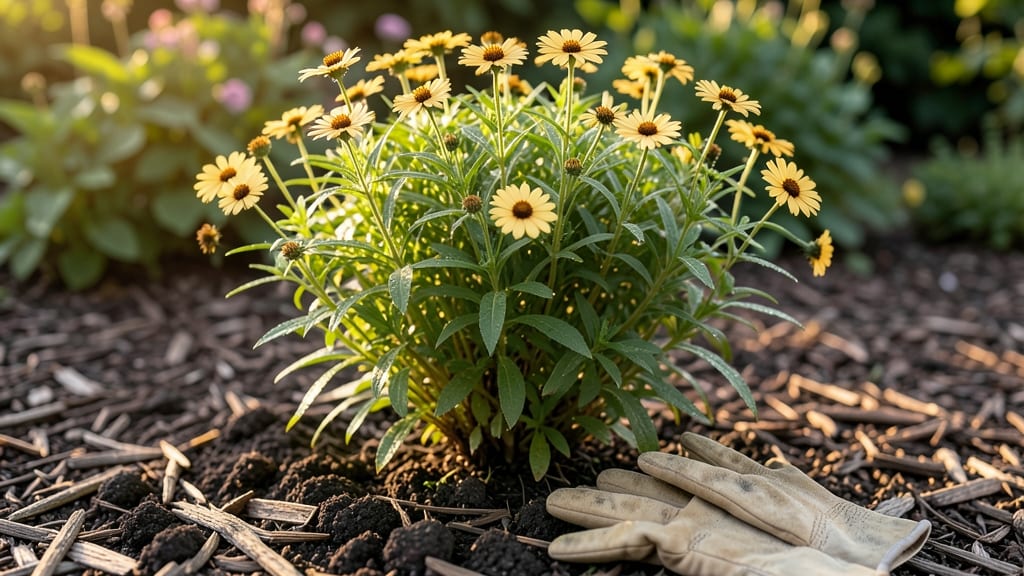
Tickseed Coreopsis care thrives with three simple rules: full sun, dry soil, and zero fuss. ✨ I’ve grown these sun-loving perennials for years, and their twist-free seed pods and cheerful blooms make them my go-to for low-maintenance gardens. The secret isn’t complicated—it’s about matching their natural preferences with what your yard can provide.
This plant loves hot, dry conditions more than most—overwatering is its kryptonite. Well-draining soil prevents those twisted seed pods, while bright sunlight keeps blooms coming from early summer to frost. Even in drought, it stays vibrant, making it perfect for busy gardeners or rocky slopes where other plants struggle.
With the right care, you’ll get nonstop blooms that attract butterflies and hummingbirds. The foliage stays neat, the stems stay strong, and you’ll avoid the cold-stress issues that plague other perennials. It’s the kind of plant that rewards patience with effortless beauty.
Whether you’re filling a sunny border or repairing a tired garden bed, tickseed Coreopsis delivers. Here’s how to keep it thriving all season long—no green thumb required.
📚 In This Guide
- What you need
- Instructions
- Tips and common mistakes
- Wrapping up and next steps
What you need
- ● Tickseed Coreopsis seeds or nursery-grown plants: Seeds: 5–10 seeds per plant (or 1 packet for multiple plants)
- ● Nursery plants: 1–3 mature plants (depending on desired coverage)
- ● Well-draining potting mix or garden soil: 1 bag (50 lbs) of cactus/succulent mix (for containers) or amend garden soil with perlite or coarse sand (1 part perlite to 3 parts soil)
- ○ Containers (optional, for potted growth): 1–3 6–8 inch pots (with drainage holes) or a hanging basket (12+ inches wide)
- ● Fertilizer: Balanced 10-10-10 granular fertilizer (1 tbsp per plant) or liquid fish emulsion (diluted to ½ strength)
- ○ Mulch (optional but recommended): 1–2 inches of gravel or pine bark (to retain moisture and deter weeds)
- ● Hand trowel or small shovel (for planting/seeding)
- ● Watering can or hose with a gentle spray nozzle (avoid overwatering!)
- ● Pruning shears (for deadheading and shaping)
- ○ Gloves (optional) (to protect hands from soil and thorns on some varieties)
- ● Sunlight access: Full sun (6+ hours/day) for optimal blooms
- ● Cold-hardiness zone: Zones 3–9 (adjust care for frost-sensitive varieties)
Step-by-step instructions for cultivating thriving tickseed coreopsis
Here's the method I've refined over seasons to keep these sun-loving perennials blooming reliably while avoiding the dreaded seed pod twisting.
🌱 Step 1: Select the Perfect Planting Site
Tickseed coreopsis thrives in full sun—at least 6-8 hours daily—so choose a location with minimal shade competition. I always test the spot by observing how long it stays dry; these plants despise soggy roots. Amend heavy clay soil with 2-3 inches of compost mixed into the top 6 inches to improve drainage.
Here's the thing—coreopsis grows best in average garden soil with a pH between 6.0-7.0. If your soil tests acidic, add a handful of garden lime per planting hole. The plants tolerate poor soil better than most perennials, but they'll reward you with bigger blooms if you give them slightly fertile conditions.
☀️ Step 2: Plant at the Right Depth and Spacing
Set container-grown plants 12-18 inches apart for optimal air circulation, which prevents fungal diseases. Dig holes twice as wide as the root ball but only as deep as the container's base—burying too deep encourages rot. Gently tease apart any circling roots before placing the plant in the hole.
I always water the root ball thoroughly before planting to ensure the soil settles properly around the roots. Tap the soil lightly after backfilling to eliminate air pockets. The first flush of blooms appears 6-8 weeks after planting, so don't rush the establishment process.
💧 Step 3: Water Strategically for Cold-Resistant Growth
Water deeply once weekly during the first growing season, aiming for 1 inch of water per week. Let the top 2 inches of soil dry out between waterings—this mimics their native prairie conditions. Overwatering leads to weak stems that flop under winter snow, so I prioritize deep, infrequent watering.
Once established, coreopsis becomes extremely drought-tolerant. You'll know they're getting enough water when the foliage stays deep green and crisp rather than yellowing at the edges. Mulch with 2-3 inches of shredded bark to protect roots from temperature swings and retain moisture.
✂️ Step 4: Deadhead and Prune for Continuous Blooms
Remove spent blooms by pinching them off at the base every 2-3 weeks during the growing season. This prevents the characteristic seed pods from forming and twisting, which weakens the plant. I always use clean pruners and wear gloves—those seed pods release easily and can become invasive.
In early spring, cut back the previous year's growth by one-third to encourage fresh, vigorous shoots. Avoid heavy pruning after mid-July as it reduces flowering time. The plants naturally develop a clumping habit, so you'll never need to divide them unless you want to propagate new plants.
⏰ Step 5: Prepare for Winter to Prevent Cold Stress
Coreopsis handles winter well, but young plants benefit from a 3-inch layer of mulch after the ground freezes. I use straw because it breaks down slowly and insulates roots better than leaves. Avoid piling mulch against stems—keep it 2 inches away to prevent rot.
Watch for brown, crispy foliage in early spring—this is normal as the plant emerges from dormancy. New growth appears within 2-3 weeks once soil temperatures reach 50°F. If you see blackened stems, it's likely from winter rot, which means you mulched too heavily or had poor drainage.
Tips & tricks for perfect tickseed coreopsis cultivation
Common pitfalls—and how to sidestep every one—when growing these hardy perennials.
Sunlight Strategy: While coreopsis thrives in full sun, I've learned that 6-8 hours of direct sunlight is the sweet spot. If your garden gets afternoon shade, position plants where they receive morning sun and minimal afternoon filtering. The key is avoiding sudden shade shifts midday, which stresses the plants and reduces bloom quantity.
Soil Preparation Secret: The 2-3 inches of compost mixed into the top 6 inches of soil isn't just about nutrients—it's about creating the perfect crumbly texture these plants crave. For heavy clay soils, I recommend adding a handful of perlite to each planting hole to prevent compaction. This mimics their native prairie conditions where water drains quickly but roots stay hydrated.
Planting Depth Insight: When planting, remember that the root ball should sit at the same level it was in the container. Burying too deep suffocates the plant, while planting too shallow exposes roots to temperature swings. I always make a small mound of soil in the hole, place the plant on top, then backfill—this ensures proper depth without guessing.
Winter Protection Tip: That 3-inch layer of straw mulch after the ground freezes is your plant's best friend. I've found that spreading it in two 1.5-inch layers—first after the first hard frost, then again after the ground freezes solid—provides better insulation. This two-step approach prevents the mulch from compacting into a solid mass that blocks airflow to the roots.
Pro Tips for Tickseed Coreopsis Care
- Common pitfalls—and how to sidestep every one—when growing these hardy perennials.
- Sunlight Strategy: While coreopsis thrives in full sun, I've learned that 6-8 hours of direct sunlight is the sweet s...
- Soil Preparation Secret: The 2-3 inches of compost mixed into the top 6 inches of soil isn't just about nutrients—it'...
Frequently asked questions
Got questions about keeping your tickseed coreopsis thriving? You’re not alone! Here are answers to the most common concerns—from pruning to pests—so you can enjoy those cheerful blooms all season.
How do I prune tickseed coreopsis to encourage more flowers?
Prune back spent blooms (deadheading) regularly to redirect energy into new flowers. For a tidier look, trim the entire plant by one-third after the first flush of blooms (late spring/early summer). Avoid heavy pruning in fall—let the foliage die back naturally for winter resilience.
Can tickseed coreopsis survive winter in cold climates?
Yes! These hardy perennials tolerate USDA Zones 3-9. In colder areas, mulch the base with 2-3 inches of straw or shredded leaves after the first frost. Cut back dead foliage in early spring once new growth appears—never prune in winter, as it can damage dormant buds.
What pests or diseases should I watch for with tickseed coreopsis?
Common issues include aphids (sap-sucking pests) and powdery mildew (white fungal spots). For aphids, blast them off with water or use insecticidal soap. Improve airflow and avoid overhead watering to prevent mildew. Spider mites may appear in drought—keep soil evenly moist to deter them.
How often should I water tickseed coreopsis?
Water deeply but infrequently—about 1 inch per week, letting the top inch of soil dry out between waterings. Once established, these drought-tolerant plants thrive with less frequent watering (every 10-14 days in hot, dry spells). Overwatering can lead to root rot, so well-draining soil is key!
Can I grow tickseed coreopsis in containers? How?
Choose a container at least 12 inches deep with drainage holes. Use a fast-draining potting mix (add perlite or sand if needed). Place in full sun and water when the top inch of soil is dry. Repot every 2-3 years to refresh the soil and prevent root-bound stress.
Why aren’t my tickseed coreopsis blooms opening fully?
Twisted or closed buds often signal stress. Check for underwatering, poor drainage, or overcrowding. Ensure the plant gets 6+ hours of direct sun daily—shady spots can cause weak blooms. If buds form but don’t open, try fertilizing lightly with a low-phosphorus bloom booster (like 5-10-5) in early spring.
Wrapping up and next steps
Growing tickseed coreopsis is a rewarding journey—these sun-loving perennials bring vibrant color with minimal fuss! 🌻 With the right mix of well-draining soil, bright light, and seasonal adjustments, you’ll enjoy twist-free pods and cold-hardy blooms year after year.
Whether you’re a beginner or a seasoned gardener, their resilience and charm make them a standout addition to any landscape.
Ready to dive in? Start by selecting your favorite variety and give these cheerful bloomers the care they deserve—your garden will thank you with a burst of golden, pink, or yellow cheer! 🌿