Planting
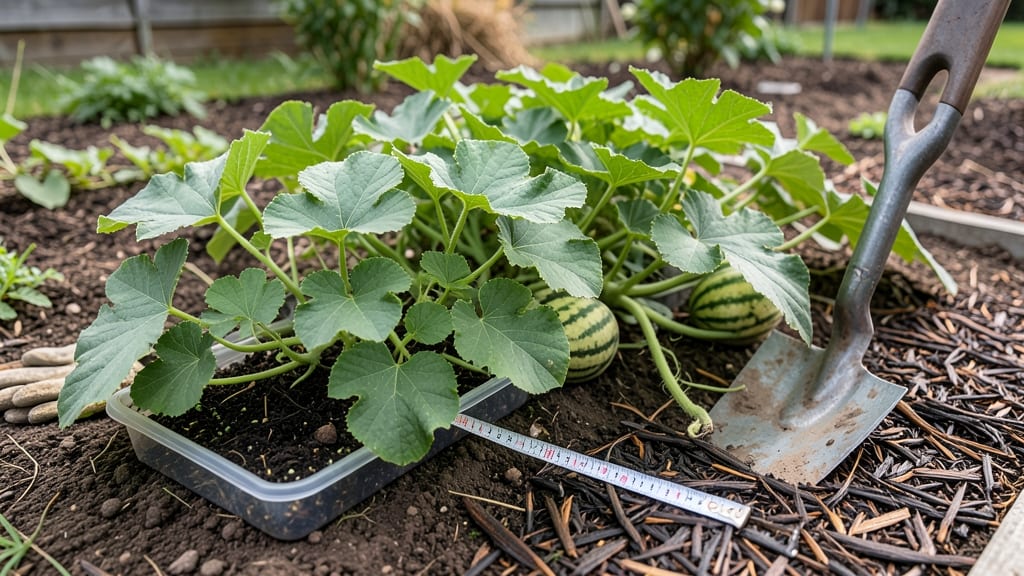
Precision planting starts with the right watermelon seed spacing—because cramped vines mean smaller fruit and fewer harvests. 🌱 I learned this the hard way when my first melons stayed the size of softballs instead of the 20-pound monsters I’d dreamed of. The secret isn’t just planting seeds far apart; it’s about giving roots room to breathe while keeping vines close enough to support heavy fruit. For most varieties, space seeds 12–18 inches apart in rows 6–8 feet apart. That might sound like overkill, but crowded plants compete for nutrients, leading to stunted growth and bitter fruit. If you’re growing bush varieties (like Sugar Baby), you can tighten spacing to 12 inches, but vining types (like Crimson Sweet) need that full 18 inches to thrive. And here’s the kicker: soil prep matters more than spacing—amend with compost before planting to give roots a head start. By summer’s end, you’ll be harvesting melons that weigh 10–15 pounds each, not the sad little orbs from overcrowded beds. The key is patience—watermelons need 80–100 days to mature, so mark your calendar and resist the urge to check too soon. (Yes, I’ve dug up premature melons before. Don’t be me.) This method works for any climate, from hot Southern summers to shorter Northern seasons. Just adjust planting time: sow seeds 2 weeks after your last frost when soil hits 70°F, and watch those vines take off. Now, let’s get those seeds in the ground right!
📚 In This Guide
- What you need
- Instructions
- Tips and common mistakes
- Wrapping up and next steps
What you need
- ● Watermelon seeds: Choose disease-resistant varieties (e.g., 'Sugar Baby' or 'Crimson Sweet'). Aim for 1–2 seeds per hill (overcrowding reduces fruit size!).
- ● Garden soil or potting mix: Well-draining, enriched with compost (pH 6.0–6.8). For containers, use 5+ gallons per plant.
- ● Fertilizer: Balanced 10-10-10 or 5-10-10 fertilizer for planting.
- ● High-potassium (0-0-50) fertilizer when vines start running (encourages fruit growth).
- ● Row marker or string: For marking 3–6 foot spacing between rows (adjust based on variety).
- ● Trowel or dibble: For making precise seed holes (aim for 1-inch deep).
- ● Watering can or hose with gentle nozzle: Keep soil consistently moist (not soggy) during germination.
- ○ Mulch (optional but recommended): Straw or black plastic to retain moisture and suppress weeds.
- ● Seedling trays: For starting seeds indoors 4–6 weeks before last frost (transplant when soil is 70°F+).
- ● Trellis or cage: For climbing varieties (e.g., 'Jubilee') to save space and improve air circulation.
- ● Soil thermometer: Watermelons germinate best in 75–90°F soil—critical in cooler climates!
- ● Plant labels: Track varieties and spacing (e.g., "Sugar Baby – 2 ft apart").
Step-by-step guide to planting watermelon seeds for optimal spacing
Here’s how I ensure strong vines, fewer crowded fruits, and bigger melons every season.
🌱 Step 1: Prepare the Soil and Planting Site
Watermelons need rich, well-draining soil with a pH of 6.0-7.0 for best growth. Work in 2-3 inches of compost or aged manure into the top 12 inches of soil at least a week before planting. This gives roots time to establish in nutrient-dense soil. Avoid fresh manure—it burns tender roots and sets back growth.
Choose a location with full sun (6-8 hours daily) and protection from strong winds. Watermelons sprawl, so plant near a trellis or fence if space is limited. I mark rows 6 feet apart to give vines room to spread without competing for sunlight. The wider the spacing, the larger the fruit potential.
🌱 Step 2: Plant Seeds at the Correct Depth and Spacing
Watermelon seeds need warmth to germinate, so wait until soil temperatures reach 70°F or higher. Plant 3-4 seeds per mound, spacing mounds 3-4 feet apart in rows. Dig holes 1 inch deep—burying seeds too deep slows germination. I like to plant seeds in small hills rather than rows because it improves drainage and makes harvesting easier.
After planting, cover seeds lightly with soil and water gently to settle it without displacing them. Keep the soil consistently moist (not soggy) until germination, which takes 7-14 days depending on temperature. Thin to the strongest seedling per mound once sprouts emerge—crowded seedlings compete for nutrients and produce weaker vines.
☀️ Step 3: Train Vines and Maintain Proper Spacing as They Grow
Watermelon vines grow aggressively, so prune side shoots (suckers) that emerge near the base to direct energy into 1-2 main vines. This ensures stronger fruit production. I leave the first 6-8 inches of vine unpruned to establish roots before trimming. Space remaining vines 12-18 inches apart along the row to prevent overcrowding.
Watch for male and female flowers—female flowers have a tiny watermelon-shaped ovary at the base. Once pollinated, remove all but 2-3 developing fruits per vine to maximize size. Overloading vines with too many melons splits fruit and reduces quality. Thin early, and you’ll end up with fewer but larger, sweeter melons.
💧 Step 4: Water and Fertilize for Consistent Growth
Watermelons need 1-2 inches of water weekly, but avoid wetting leaves to prevent disease. Water at the base deeply in the morning to reduce fungal risks. Let the top 1-2 inches of soil dry slightly between waterings—consistent moisture prevents cracking and improves flavor. Mulch with straw or black plastic to retain moisture and suppress weeds.
Fertilize lightly with a balanced 10-10-10 formula when vines start running, then switch to a low-nitrogen, high-potassium feed (like 0-10-10) when flowers appear. Too much nitrogen encourages leafy growth at the expense of fruit. I side-dress with compost mid-season to keep soil rich without overfeeding.
✂️ Step 5: Harvest at Peak Ripeness for Best Flavor
Watermelons are ready when the underbelly turns cream-colored and the stem near the fruit dries out. Tap the melon—it should sound hollow. Cut with a sharp knife, leaving 1-2 inches of stem attached to prevent rot. Harvest in the morning when temperatures are cooler to preserve sweetness.
Proper spacing ensures strong vines, fewer pests, and larger fruit. If you’ve followed these steps, you’ll avoid the common mistake of overcrowding, which leads to small, seedy melons. Now, enjoy your homegrown harvest—nothing beats a slice of a perfectly spaced watermelon!
Tips & tricks for perfect watermelon seed spacing
Took me years to figure out these spacing secrets—now you can skip the trial-and-error and grow melons like a pro.
Soil Temperature Secret: That 70°F soil temperature is non-negotiable for germination. I use a soil thermometer to confirm it's ready—cold soil delays sprouting by weeks. If your mornings are chilly, consider using black plastic mulch to warm the soil faster. This is especially critical in cooler climates where early planting can fail completely.
Thinning Strategy: When you thin to the strongest seedling per mound (as instructed), don't pull—snip at soil level with clean scissors. This prevents disturbing the roots of your remaining plant. I've found that seedlings thinned this way recover faster and grow more vigorously. Use the removed seedlings for transplanting elsewhere if you have space.
Vine Training Visual: For the 12-18 inch spacing along rows, imagine a basketball hoop—your vines should have that much room to sprawl without touching neighbors. I tie main vines to a trellis at 12-inch intervals to create a "vine highway" that keeps fruit off the ground and prevents rot. This also makes harvesting easier and reduces pest access.
Fertilizer Timing: The switch from 10-10-10 to 0-10-10 when flowers appear is crucial. Too much nitrogen after flowering wastes energy on leaves instead of fruit development. I make this transition when I see the first female flowers (with the tiny watermelon shape) and reduce nitrogen completely by the time fruit sets. This simple adjustment can double your average melon size.
Pro Tips for Watermelon Seed Spacing
- Took me years to figure out these spacing secrets—now you can skip the trial-and-error and grow melons like a pro.
- Soil Temperature Secret: That 70°F soil temperature is non-negotiable for germination.
- Thinning Strategy: When you thin to the strongest seedling per mound (as instructed), don't pull—snip at soil level with clean scissors.
Frequently asked questions
Got questions about watermelon seed spacing? You’re not alone!
Here are answers to the most common concerns—from timing to troubleshooting—to help you grow a bountiful harvest.
What’s the ideal distance between watermelon seeds for optimal growth?
For standard watermelon varieties, space seeds 12–18 inches apart in rows that are 5–7 feet apart. This gives roots room to spread while preventing overcrowding. If growing mini or heirloom varieties, reduce spacing to 6–12 inches—just ensure vines have enough space to sprawl or climb!
When is the best time to plant watermelon seeds with proper spacing?
Watermelons thrive in warm soil (70°F+), so wait until 2–3 weeks after your last frost date in spring. For fall harvests, plant seeds 8–10 weeks before the first frost. Use black plastic mulch or row covers to warm the soil faster if needed!
Can I plant watermelon seeds too close together, and how do I fix it?
Yes! Overcrowded seedlings compete for nutrients, leading to smaller fruit and weaker vines. If you’ve already planted too close, thin seedlings to the recommended spacing (12–18") by gently snipping excess plants at soil level. Pro tip: Do this when seedlings are 2–3 inches tall to minimize stress.
What if I don’t have enough space? Are there alternatives to traditional spacing?
Try these space-saving tricks:
- Vertical trellising: Grow vines upward (saves 50%+ space) with strong supports like cages or netting.
- Container gardening: Use 5-gallon buckets (1–2 seeds per container) for patio growth.
- Interplanting: Pair watermelons with shallow-rooted crops like radishes or lettuce.
Why are my watermelon plants struggling even with correct seed spacing?
Check these common issues:
- Poor soil drainage: Watermelons hate soggy roots—amend soil with compost and ensure raised beds or slopes.
- Inconsistent watering: Drought stress = bitter fruit. Water deeply 1–2x/week (1–2 inches per week).
- Pests/diseases: Watch for cucumber beetles (use row covers) or powdery mildew (space for airflow).
Wrapping up and next steps
Perfecting your watermelon seed spacing is the secret to a bountiful harvest—bigger fruits, healthier vines, and fewer pests! 🌱 With the right technique, you’ll enjoy juicy, vine-ripened melons that put store-bought varieties to shame.
Now that you’re armed with spacing tips and troubleshooting know-how, it’s time to roll up your sleeves and plant with confidence.
Ready to take the next step? Start small—try a single row this season, track your progress, and adjust as needed. Happy planting, and may your garden be as sweet as the fruits of your labor! 🍉✨