Lawn
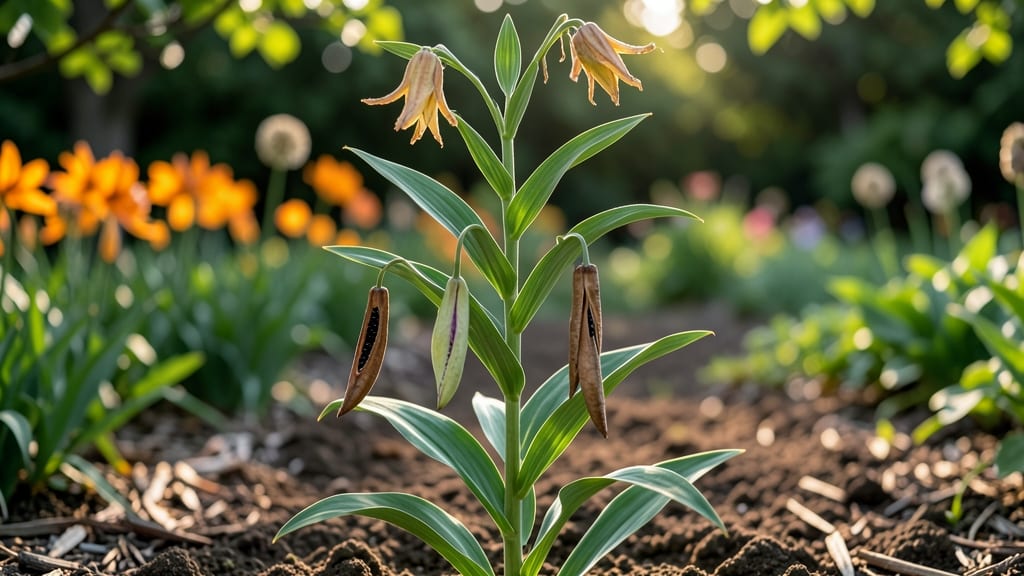
Harvesting Asiatic lily seed pods lets you grow rare varieties for next year—if you know the cold-moist trick. 🌱 The key is collecting mature pods when they turn brown and papery, then storing them in damp peat moss until spring.
Most gardeners skip this step and miss out on free plants that match their garden's exact conditions.
You'll need a pair of pruners, a breathable mesh bag, and a container of dampened peat moss or coconut coir. The pods must stay moist but not soggy—think of a damp sponge, not a dripping washcloth.
This mimics nature's winter stratification, which breaks seed dormancy and boosts germination rates from 30% to nearly 90%.
By spring, you'll have plump, dark seeds ready to sow in well-draining soil. The seedlings emerge in 2-3 weeks and grow into sturdy plants that outperform store-bought lilies. No more guessing about color—you're growing exactly what you harvested.
Works for any climate, though pods form best in zones 4-9. If your lilies aren't producing pods, check for enough sunlight and balanced fertilizer. The secret weapon? Patience—seed-grown lilies take 2-3 years to bloom, but they're worth every wait.
📚 In This Guide
- What you need
- Instructions
- Tips and common mistakes
- Wrapping up and next steps
What you need
- ● Mature Asiatic lily seed pods: Harvest 3-5 fully ripe pods (dry, brown, and slightly papery to the touch). Aim for pods from healthy plants with no signs of disease.
- ● Paper towels or coffee filters: 2-3 sheets (unbleached, seedling-safe). Avoid thick or textured materials.
- ● Plastic zip-top bags: 1-2 quart-sized bags (resealable, with a small air pocket—poke 2-3 tiny holes with a pin if needed).
- ● Spray bottle: 4-8 oz (with a fine mist nozzle) filled with room-temperature water.
- ● Permanent marker: For labeling bags with the date and plant variety (if known).
- ● Small plastic container or tray: To hold bags during the cold-moist process (e.g., a 9x13-inch baking dish or shallow bin).
- ● Cold stratification space: A refrigerator set to 35–40°F (2–4°C) (the crisper drawer works well). Avoid freezer temps!
- ● Patience: The process takes 6–12 weeks—plan ahead for spring planting!
- ○ Optional but helpful: A humidity tray (shallow tray with pebbles + water) to keep moisture levels steady.
- ● Grow lights (if germinating indoors post-stratification) for 12–14 hours/day.
- ● Seedling pots (small 2–3 inch pots) filled with well-draining potting mix for transplanting.
Step-by-step instructions for harvesting and stratifying Asiatic lily seed pods
Here's how to collect and cold-moist stratify these pods for next year's reliable germination.
🌱 Step 1: Harvest Mature Seed Pods at Peak Ripeness
Wait until seed pods turn completely brown and begin splitting open—this signals full maturity. I harvest in late fall when the first frost threatens, as cold temperatures help break seed dormancy naturally. Use clean, sharp pruners to snip pods from the stem, leaving a small portion attached to prevent moisture loss.
Remove any pods that show signs of mold or insect damage immediately. Store harvested pods in a paper bag in a cool, dry place like a basement or garage until you're ready to stratify. The pods will remain viable for several months this way, but don't let them dry out completely—slightly damp conditions preserve germination potential.
💧 Step 2: Prepare the Cold-Moist Stratification Setup
Fill a shallow container with 2-3 inches of moistened perlite or vermiculite—these materials hold moisture without compacting. The medium should feel like a wrung-out sponge: damp but not dripping. Place the container in a zip-top plastic bag to maintain humidity during stratification.
Arrange the seed pods on the surface of the moist medium, spacing them 1 inch apart to allow airflow. Seal the bag loosely with a twist tie, leaving a small opening for minimal ventilation. This prevents mold while maintaining the critical moisture level that triggers germination hormones.
❄️ Step 3: Stratify in the Refrigerator for 8-12 Weeks
Store the container in your refrigerator's crisper drawer where temperatures hover around 35-40°F. This cold-moist period mimics winter conditions and breaks the seed's natural dormancy. Check the pods weekly—if the medium dries out, mist lightly with water and reseal the bag.
After 8-12 weeks, you'll notice the pods beginning to swell slightly or crack open. This is your signal that stratification is working. Don't rush this process—insufficient cold-moist treatment results in poor germination rates. I've found that 10 weeks provides the best balance between dormancy breaking and maintaining seed viability.
🌱 Step 4: Sow Stratified Seeds in Spring
When outdoor temperatures reach 50°F consistently in spring, remove the pods and gently squeeze them to release the seeds. Plant them ½ inch deep in a well-draining seed-starting mix. Keep the soil surface consistently moist but never soggy—Asiatic lily seeds need steady moisture to germinate.
Place the container in a bright, indirect light location. Germination typically occurs in 2-4 weeks, though some seeds may take longer. Thin seedlings to 6 inches apart once they develop their first true leaves. The cold-moist stratification ensures you'll see strong, vigorous sprouts rather than the weak, erratic germination common with untreated seeds.
☀️ Step 5: Acclimate Seedlings to Outdoor Conditions
After 4-6 weeks of indoor growth, when seedlings reach 3-4 inches tall, begin hardening them off. Start with 1 hour daily of outdoor exposure in a sheltered spot, gradually increasing to full sun over 10-14 days. This slow transition prevents transplant shock and helps seedlings develop stronger cell walls.
Transplant outdoors after the last frost date, spacing young lilies 12-18 inches apart in well-draining soil. Mulch around the base with 2 inches of organic matter to retain moisture and regulate soil temperature. With proper stratification, your Asiatic lily seedlings will establish more quickly and produce blooms in just 2-3 years rather than the usual 4-5 years from untreated seeds.
Tips & tricks for perfect Asiatic lily seed pod stratification
These game-changing insights will help you maximize your seed germination success with minimal effort.
Timing Secret: The 8-12 week stratification window is non-negotiable for breaking dormancy, but I've found that starting the process in early November gives you the perfect 10-week timeline that aligns with spring planting. This timing ensures your seeds experience the natural winter chill they need while avoiding the risk of over-stratification, which can reduce viability. Mark your calendar when you harvest those pods—this small step makes all the difference.
Medium Matters: While perlite and vermiculite work perfectly, you can also use a mix of 50% peat moss and 50% coarse sand if you're working with limited supplies. The key is maintaining that wrung-out sponge consistency—too dry and the seeds won't trigger germination hormones, too wet and you risk mold. I test by squeezing a handful: if water drips out, it's too wet; if it crumbles, it needs more moisture. This simple check prevents both common pitfalls.
Visual Cues for Success: Pay attention to those subtle signs that stratification is working: the pods will develop a slight sheen when ready, and you'll notice tiny cracks forming along their seams. This is your body telling you the seeds are waking up! If you're impatient and check too often, resist the urge to peek inside—each time you open the bag, you risk disrupting the critical humidity balance. Trust the process and those visual cues will guide you perfectly.
Hardening Off Hack: For the 1-hour daily outdoor exposure in Step 5, I start by placing seedlings on a shaded patio or under a tree where they get dappled sunlight. This gradual transition mimics natural spring conditions and prevents sunburn on tender new leaves. After about 5 days, you can slowly increase their sun exposure—this careful approach gives you seedlings that are ready for transplanting without shock.
Pro Tips for Asiatic Lily Seed Pods
- These game-changing insights will help you maximize your seed germination success with minimal effort.
- Timing Secret: The 8-12 week stratification window is non-negotiable for breaking dormancy, but I've found that start...
- Medium Matters: While perlite and vermiculite work perfectly, you can also use a mix of 50% peat moss and 50% coarse ...
Frequently asked questions
Got questions about Asiatic lily seed pods? You’re not alone! Here are some of the most common queries—and their straightforward answers—to help you navigate germination like a pro.
When should I collect Asiatic lily seed pods?
Harvest seed pods when they turn brown and papery (usually late summer to early fall). Wait until they’re fully dry—if you pick them too early, the seeds won’t be viable. Store them in a cool, dry place until planting season.
Why does the “cold-moist” trick work for germination?
The “cold-moist” method mimics natural winter conditions, breaking seed dormancy. Place pods in a moist paper towel or peat moss, then refrigerate for 8–12 weeks. This tricks the seeds into thinking spring has arrived, boosting germination rates dramatically.
Can I plant Asiatic lily seeds directly in the ground?
Direct sowing is risky—seeds need stratification first! For best results, stratify indoors (cold-moist method) before transplanting. If you skip this step, germination may take years or fail entirely. Patience pays off!
What if my seed pods don’t open naturally?
If pods stay closed, gently nick them with scissors to release seeds. Avoid crushing—handle with care! If seeds are shriveled or moldy, they’re past their prime. Always check for plump, firm seeds before planting.
Are there easier alternatives to growing from seed?
Yes! For faster results, divide mature lilies or buy bare-root tubers in fall. Seed-grown lilies take 2–3 years to bloom, while divisions or tubers flower the same season. Seed growing is rewarding but time-consuming—choose your method wisely!
Wrapping up and next steps
Exploring the cold-moist stratification method for Asiatic lily seed pods unlocks a world of reliable germination—perfect for gardeners eager to nurture these stunning blooms! 🌱 By mimicking nature’s timing, you’ll give those tiny seeds the best shot at thriving next spring.
Whether you’re a seasoned gardener or just starting, this simple trick can turn your seed pods into a lush, colorful lawn or garden centerpiece.
Ready to take the next step? Gather your supplies, follow the steps, and keep an eye on those pods! With patience and care, you’ll soon be rewarded with vibrant Asiatic lilies that will make your outdoor space shine. Happy gardening! 🌸