Lawn
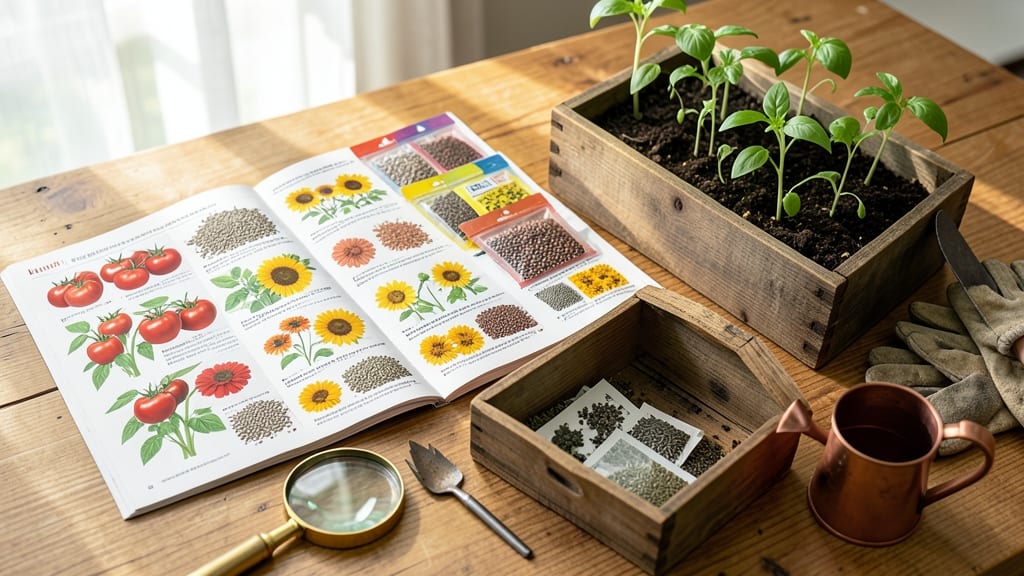
Flipping through the 2026 seed catalogs feels like unwrapping a gift from next summer—except this one arrives in January. 🌱 I’ve been planning my garden from catalogs for over a decade, and each year, the early-bird perks make it worth the winter wait.
These aren’t just lists of seeds; they’re gateways to heirloom tomatoes, drought-resistant herbs, and varieties you won’t find at your local nursery.
The best catalogs do more than list seeds—they tell stories. You’ll find planting zone maps that match your climate, notes on disease resistance, and even tips for succession planting.
Companies like Baker Creek Heirloom Seeds and Seed Savers Exchange include growing guides with each order, so you’re not guessing when to start indoors or how deep to plant. Early orders often come with free seed packets or discounts, too.
By the time spring rolls around, you’ll have a seasonal planting schedule mapped out—cool-season crops like spinach and peas in March, tomatoes and peppers in May, and fall squash by July. The catalogs help you visualize your garden layout, too, so you’re not scrambling at the last minute.
Plus, you’ll discover varieties that thrive in your specific conditions, like heat-tolerant beans or shade-friendly greens.
Pro tip: Bookmark your favorites now and set reminders for early-bird deadlines. Some catalogs even offer digital planning tools to organize your selections by month. The key is starting early—before the rush—so you get the best selection and avoid last-minute disappointments.
📚 In This Guide
- What you need
- Instructions
- Tips and common mistakes
- Wrapping up and next steps
What you need
- ● Seed catalog (2026 edition): Printed or digital copy of your chosen catalog (e.g., Burpee, Park Seed, or Johnny’s Selected Seeds).
- ● High-quality seeds: Grass seed blend (e.g., Kentucky Bluegrass, Fescue, or Bermuda—choose 1-2 varieties based on your climate zone).
- ○ Optional rare varieties (e.g., heirloom flowers, drought-resistant perennials)—start with 5-10 packets.
- ● Lawn preparation tools: Lawn mower (electric or gas-powered, adjustable height settings).
- ● Rake (metal or plastic, medium-tooth for debris removal).
- ● Garden hose or sprinkler system with even water coverage.
- ● Soil tester kit (to check pH and nutrient levels—ideal pH: 6.0-7.5 for most grasses).
- ● Fertilizer: Slow-release granular fertilizer (e.g., 16-4-8 or 20-5-10 NPK ratio).
- ○ Starter fertilizer (optional but recommended for new lawns—high in phosphorus).
- ● Seed spreader (broadcast or drop-type for even distribution).
- ● Lawn roller (lightweight, 100-150 lbs for compacting soil post-seeding).
- ● Erosion control blanket (for sloped areas or sandy soil).
- ● Organic mulch (straw or shredded leaves to retain moisture).
- ● Weather tracking app (to monitor ideal planting windows).
- ● Knee pads or gardening stool (because comfort matters!).
- ● Climate zone knowledge: Check your USDA Hardiness Zone to align with seed planting dates.
- ● Soil prep time: Allow 2-4 weeks for soil testing and amendments (e.g., compost or lime).
- ● Early-bird advantage: Order seeds 6-12 months in advance for rare varieties (some catalogs offer exclusive 2026 releases).
- ● Water source access: Ensure consistent irrigation (new lawns need 1-1.5 inches of water weekly).
How to navigate the 2026 seed catalog for maximum impact
Here's how to turn those early-bird perks into a year of standout garden success.
🌱 Step 1: Identify Your Climate and Growing Zone
Every seed catalog lists plant hardiness zones—don't ignore these. Grab your catalog and locate your USDA Plant Hardiness Zone (usually on the back cover or in the gardener's guide). I always highlight the zone ranges for each variety I'm considering, because a Zone 5 tomato might not thrive in Zone 7 without winter protection.
Next, check the "Days to Maturity" for each variety. This tells you when to plant for your first frost date. For example, if your last frost is May 15 and a variety needs 60 days to harvest, you'll need to start seeds indoors by March 15. I mark these dates directly on my calendar so I don't miss planting windows.
🌿 Step 2: Prioritize Rare Varieties and Early-Bird Perks
The 2026 catalogs often feature exclusive varieties—look for the "New for 2026" or "Limited Edition" sections. These might include heirloom tomatoes with vibrant purple stripes or disease-resistant peppers. I always circle these and note the minimum order quantities—some rare seeds require bulk purchases.
Early-bird discounts typically apply to pre-orders placed by December 31. Pay attention to the fine print: some perks include free seeds or seed packets with orders over $50, while others offer 10% off entire orders. I set calendar reminders for these deadlines so I don't miss out on the best deals.
💧 Step 3: Cross-Reference with Your Garden Plan
Before ordering, sketch a rough layout of your garden beds or containers. Note which varieties thrive together (companion planting) and which need full sun (6+ hours daily) versus partial shade. For example, basil and tomatoes grow well together, but onions and beans should be planted separately.
Check the catalog's "Growing Tips" section for each variety—some require staking, others need rich compost, and a few (like squash) spread aggressively. I jot down these notes in my garden journal to avoid overcrowding or mismatched growing conditions later.
⏰ Step 4: Place Your Order Strategically
Order seeds early to secure limited varieties, but don't rush—some catalogs offer free seed packets with orders placed by November 1. I always place my order in mid-November to balance early-bird perks with shipping timelines, especially for seeds that need indoor starting by early spring.
Double-check shipping options: some catalogs offer expedited shipping for a fee, which can be worth it if you're starting seeds early. I opt for standard shipping unless I'm in a hurry, as it's often just as reliable and saves money. Keep your order confirmation handy—you'll need it for tracking and tax deductions if you itemize gardening expenses.
🌱 Step 5: Organize and Store Seeds for Next Year
Once your seeds arrive, immediately label each packet with the variety name, purchase year, and expiration date (usually 2-5 years from packaging). I store seeds in a cool, dark place (like a sealed container in my pantry) to maintain viability. Some catalogs include seed-saving tips—follow these to extend the life of your seeds.
Take photos of your best-performing plants and note which varieties exceeded expectations. This helps when reviewing next year's catalog—you'll already know which rare varieties are worth reordering. I keep a separate "favorites" folder in my garden app to track these standouts.
Tips & tricks for maximizing your 2026 seed catalog experience
Here's what I've learned after navigating these catalogs for years—tricks that'll help you avoid common pitfalls and make the most of your seed selections.
Zone-Specific Selection: Don't just glance at the hardiness zones—actually compare them to your local climate records. Some catalogs list zones as ranges (e.g., "Zones 3-7"), while others use single zones. I cross-reference with my county's microclimate data to make more precise selections. For example, a Zone 6 plant might struggle in my Zone 6a area where spring frosts linger later than average.
Early-Bird Strategy: The December 31 deadline isn't just about discounts—it's about securing rare varieties before they sell out. I recommend placing your order by November 20 instead of waiting until the last minute. This gives you time to troubleshoot any issues and ensures you'll receive seeds before holiday shipping delays. Between us, I've missed out on limited-edition seeds because I waited too long!
Garden Layout Planning: Before ordering, sketch your garden beds to scale using graph paper. This helps visualize spacing requirements—especially for varieties that spread aggressively like squash or pumpkins. I color-code my sketches by sun exposure needs and companion planting groups. This visual planning prevents the common mistake of overcrowding or mismatched growing conditions that can stunt plant growth.
Seed Storage Wisdom: When storing seeds long-term, consider using small glass jars with airtight lids instead of the original packets. I add a silica gel packet to each jar to absorb moisture, which can extend seed viability beyond the typical 2-5 years. Label each jar with the purchase year and variety—this system has saved me from planting outdated seeds that might not germinate properly.
Pro Tips for 2026 Seed Catalog
- Here's what I've learned after navigating these catalogs for years—tricks that'll help you avoid common pitfalls and ...
- Zone-Specific Selection: Don't just glance at the hardiness zones—actually compare them to your local climate records...
- Early-Bird Strategy: The December 31 deadline isn't just about discounts—it's about securing rare varieties before th...
Frequently asked questions
Got questions about the 2026 seed catalog? You’re not alone!
Whether you’re a seasoned gardener or just starting, here are answers to the most common queries to help you plan ahead.
When will the 2026 seed catalog be available?
The exact release date varies by company, but most major seed catalogs (like Burpee, Park Seed, or Seed Savers Exchange) typically unveil their new collections in late summer or early fall 2025. Set a reminder for August–October to snag early-bird discounts and rare varieties before they sell out!
Are there early-bird discounts for the 2026 catalog?
Yes! Many catalogs offer limited-time promotions (e.g., 10–20% off) for pre-orders or early shoppers. Some even include free seeds, seed packets, or gardening tools with orders placed before a specific deadline. Check your favorite catalog’s website or sign up for their newsletter for exclusive alerts.
Can I order seeds now for 2026, or should I wait?
Most seed companies don’t allow pre-orders for the next year’s catalog—they release new varieties seasonally. However, you can start planning by browsing their current catalogs for trends (e.g., drought-resistant plants, heirloom varieties) and save seeds from this year’s harvest to reduce next year’s costs.
How do I find rare or heirloom seeds in the 2026 catalog?
Look for catalogs specializing in heirloom, organic, or specialty seeds, like Seed Savers Exchange, Baker Creek Heirloom Seeds, or Territorial Seed Company. These often feature unique varieties (e.g., ‘Black Krim’ tomatoes or ‘Moonflower’ beans). Filter by “rare” or “new releases” in their online stores, or ask their customer service for upcoming highlights!
What if I miss the early-bird deals?
Don’t worry! Most seed catalogs restock throughout the year, though popular varieties may sell out. Sign up for email alerts to get notified about restocks or flash sales. Alternatively, local seed swaps, farmers’ markets, or online marketplaces (like Etsy) can be great backup sources for unique seeds.
Wrapping up and next steps
The 2026 seed catalog isn’t just a peek into the future—it’s your golden ticket to rare varieties, early-bird savings, and a garden that turns heads. 🌱 From heirloom tomatoes to drought-resistant grasses, these seeds are your secret weapon for a thriving lawn and lush landscapes.
Don’t wait for spring to start dreaming—order early, explore the perks, and let your green space shine brighter than ever!
Next step? Bookmark this catalog, jot down your must-have picks, and set a reminder to snag those limited-edition seeds before they vanish. Your 2026 garden adventure starts now! 🚀